

Motorsports Technology

Fuel your future with motorsports technology.
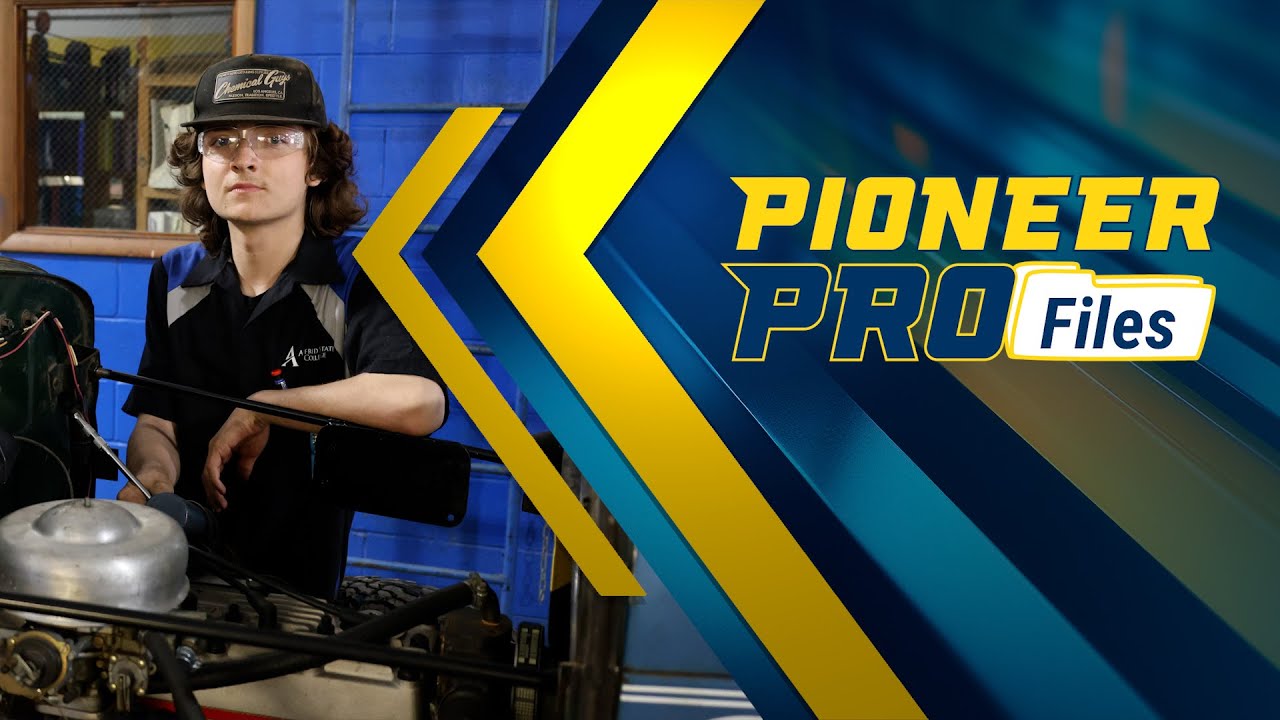
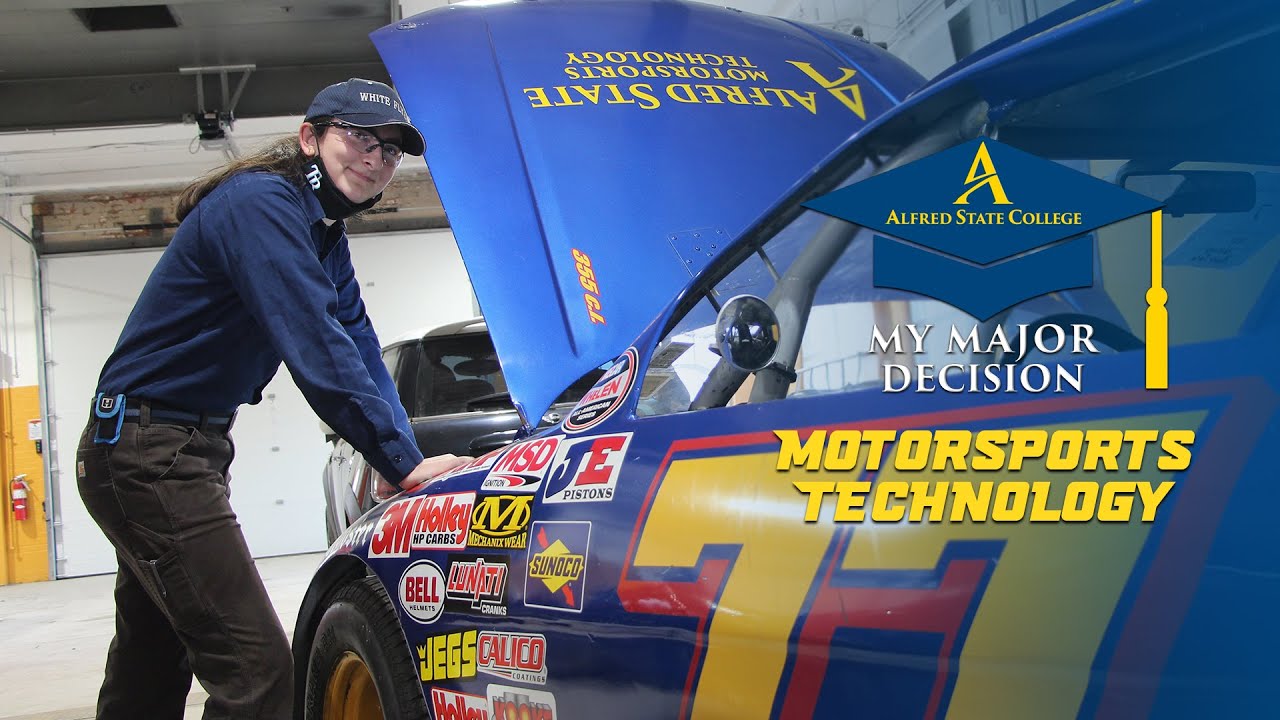
At ±¬×ß³Ô¹Ï, you’ll prepare for an exciting career in the high-speed world of racing through 1,800 hours of classroom and hands-on training, ranked #2 among Northern Regional Colleges (US News). The Motorsports Technology AOS gives you real-world experience working on race vehicles, earning ASE certifications, and building the advanced skills needed for success in motorsports and high-performance automotive industries.
Pioneer Quotes:
"You will receive hands-on experience that will last a lifetime." -Ryan Valle, '16
Program Details
Courses You May Take
Credits: 0-9
Credits: 0-9
Credits: 0-9
Entrance Requirements
Recommended
- Algebra
Technical Standards
Students in this degree program must be able to participate fully and safely, with or without reasonable accommodation, in all classroom and laboratory experiences required for completion of the program. Students in this degree program should be able to:
- Lift 50 pounds to industry standard automotive lift height
- Effectively communicate with a person six (6) to ten (10) feet away.
- Visually decipher small images on a monitor or digital display.
- Distinguish sounds associated with mechanical failures.
- Comprehend written information found in service repair resources.
- Possess a valid motor vehicle driver's license.
- Function in a safe manner, not placing themselves, faculty, staff, other students, or property in jeopardy.
- Appropriately and safely use standard laboratory equipment, materials, and instrumentation to include possession of fine motor skills and mobility.

Skills You'll Learn
In motorsports, you’ll strengthen your math, communication, and technical reading skills while gaining hands-on experience diagnosing and repairing drivetrains, engines, steering, brakes, and suspension systems. You’ll also develop fabrication expertise in chassis, bodies, and components, combining precision technical training with the specialized skills demanded in the racing and performance industry.

Facilities and Labs
±¬×ß³Ô¹Ï provides labs, equipment, and learning spaces that mirror the tools and technology used in the real world.

With 200+ labs on campus and experiential learning in every major, you’ll work with the same resources the pros use and be ready for the workplace on day one.
LAND A GREAT CAREER
Wondering where your skills can take you? Our career tool lets you explore real job titles, key skills, salary ranges, and job outlook data from the US Bureau of Labor Statistics nationally or for New York State.
See how your ±¬×ß³Ô¹Ï degree connects directly to in-demand careers and start planning your future with confidence.
MEET OUR FACULTY

TAKE THE NEXT STEP
You've seen our wide variety of majors at ±¬×ß³Ô¹Ï, our great faculty who help you build your skills, and that you can do it at an incredible low cost. Now's the time to become an ±¬×ß³Ô¹Ï Pioneer.


